
A pedestrian is anyone traveling on foot, whether they are walking, jogging, pushing a stroller, etc. While all types of car accidents can be extremely damaging, when a vehicle collides with a pedestrian, the pedestrian does not have the protective barrier of the body of a car, meaning they will absorb the full impact. Pedestrian injuries resulting from car accidents are often devastating and sometimes even fatal. As a road user of any kind, it is crucial that you understand the most commonly occurring pedestrian accidents. Work with a Bergen County pedestrian accident lawyer to learn more about your legal rights and options after a collision.
What Is Considered a Pedestrian Accident in New Jersey?
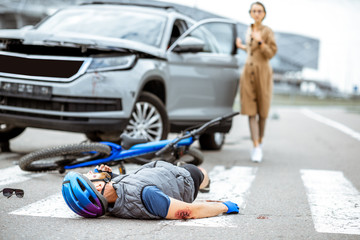
A pedestrian accident occurs when a motor vehicle collides with someone walking on foot. Under New Jersey law, this includes those walking, jogging, using wheelchairs, or otherwise traveling without the use of a motor vehicle.
Common Types of Vehicles Involved
- Passenger cars and SUVs
- Commercial trucks and delivery vehicles
- Motorcycles
- Bicycles, in some instances
- Buses
What Causes Most Pedestrian Accidents?
In Bergen County and throughout New Jersey, accidents involving pedestrians most commonly arise from driver negligence. Though there may be a number of contributing factors, the actions of drivers are most commonly to blame. Unfortunately, these injuries are common in the downtown areas of many communities, including Ridgewood, Clifton, and Hackensack.
Leading Causes of Pedestrian Injuries
- Speeding through residential streets and areas with heavy foot traffic
- Failure to yield to pedestrians in crosswalks
- Distracted driving
- Drowsy driving
- Driving under the influence of alcohol or drugs
- Poor visibility
- Failure to obey traffic signs
What Pedestrian Injuries Commonly Occur from Car Accidents in New Jersey?
Injuries that pedestrians sustain vary depending on the details of the accident, like where they were struck, how fast the vehicle was moving, how they landed, the type of ground they landed on, and more.
Unfortunately, because pedestrians do not have any protective barriers, these injuries can be catastrophic, if not fatal. While New Jersey reported a 24% decline in pedestrian deaths in 2025, there were still 175 deaths, making this an ongoing issue.
Most Common Pedestrian Injuries
- Broken bones and fractures
- Concussions and other TBIs (traumatic brain injuries)
- Spinal cord injuries
- Bruises
- Sprains, strains, and other soft tissue injuries
- Cuts and lacerations
- Internal bleeding
- Internal injuries like organ damage, ruptures, and tears
Which Body Parts are Most Frequently Involved?
The areas of the body that are affected also differ between pedestrians and motorists. According to studies conducted by the National Institutes of Health (NIH), the most common pedestrian injuries resulting from car accidents were to the following areas of the body, listed from most commonly occurring to least.
Most Commonly Injured Areas
- Lower extremities
- Head
- Upper extremities
- Thorax (chest)
- Spine
- Abdomen
- Pelvis
Pedestrians sustain twice as many severe head and thorax injuries as drivers.
What Should You Do Immediately After a Pedestrian Accident in NJ?
If you sustained injuries as a pedestrian in Glen Rock, Ridgewood, Paramus, or anywhere in Bergen County, understanding how to proceed is critical to protect your health and your right to compensation.
Step-by-Step Guide
- Move to a safe location if you are physically able to
- Call 911 to request police and medical assistance at the scene
- Seek immediate medical attention, even if you feel okay or if your injuries seem minor
- Take photos and videos of the scene and your visible injuries
- Gather the contact and insurance information of the driver
- Obtain a copy of the police report
- Notify your insurance provider and inquire about a claim through your Personal Injury Protection (PIP) coverage
- Do not provide recorded statements to insurance adjusters without legal representation
How Do New Jersey’s Insurance Laws Impact Pedestrian Accident Claims?
Because New Jersey adheres to a no-fault insurance system, a pedestrian struck by a vehicle may need to file a claim through their own Personal Injury Protection coverage, even if they are not at fault.
Potential Compensation Sources
- PIP coverage through their own auto insurance policy
- PIP coverage through a household member’s policy
- The at-fault driver’s bodily injury liability insurance
- A third-party personal injury lawsuit for injuries that meet the “serious injury” threshold
The serious injury threshold generally requires an injured party to show that they have suffered a permanent injury, considerable disfigurement, or other qualifying harm. Whether or not this applies depends on the type of insurance coverage involved in the collision.
Potential Recoverable Damages
- Medical expenses
- Lost wages
- Property damage
- Diminished earning capacity
- Pain and suffering
- Loss of enjoyment of life
- Emotional distress
Contact an Experienced Bergen County Personal Injury Attorney Today
At Feitlin, Youngman, Karas & Gerson, LLC, we understand the devastation that pedestrians struck by vehicles can endure. That is why our firm is committed to helping you fight for the best possible outcome for your unique circumstances. When you need representation, our team is ready to help you. Contact us today to learn how we can represent you.