
During the harsh winter months in New Jersey, icicles often build up on rooftops, awnings, and ledges. While this can be a beautiful sight, it can also be extremely dangerous. When ice breaks loose and falls, passersby can suffer severe injuries. Understanding who is liable for injuries caused by falling ice is crucial to protecting your legal rights and options in New Jersey. Continue reading for more information and reach out to a knowledgeable Bergen County injury lawyer to discuss your situation with a legal professional.
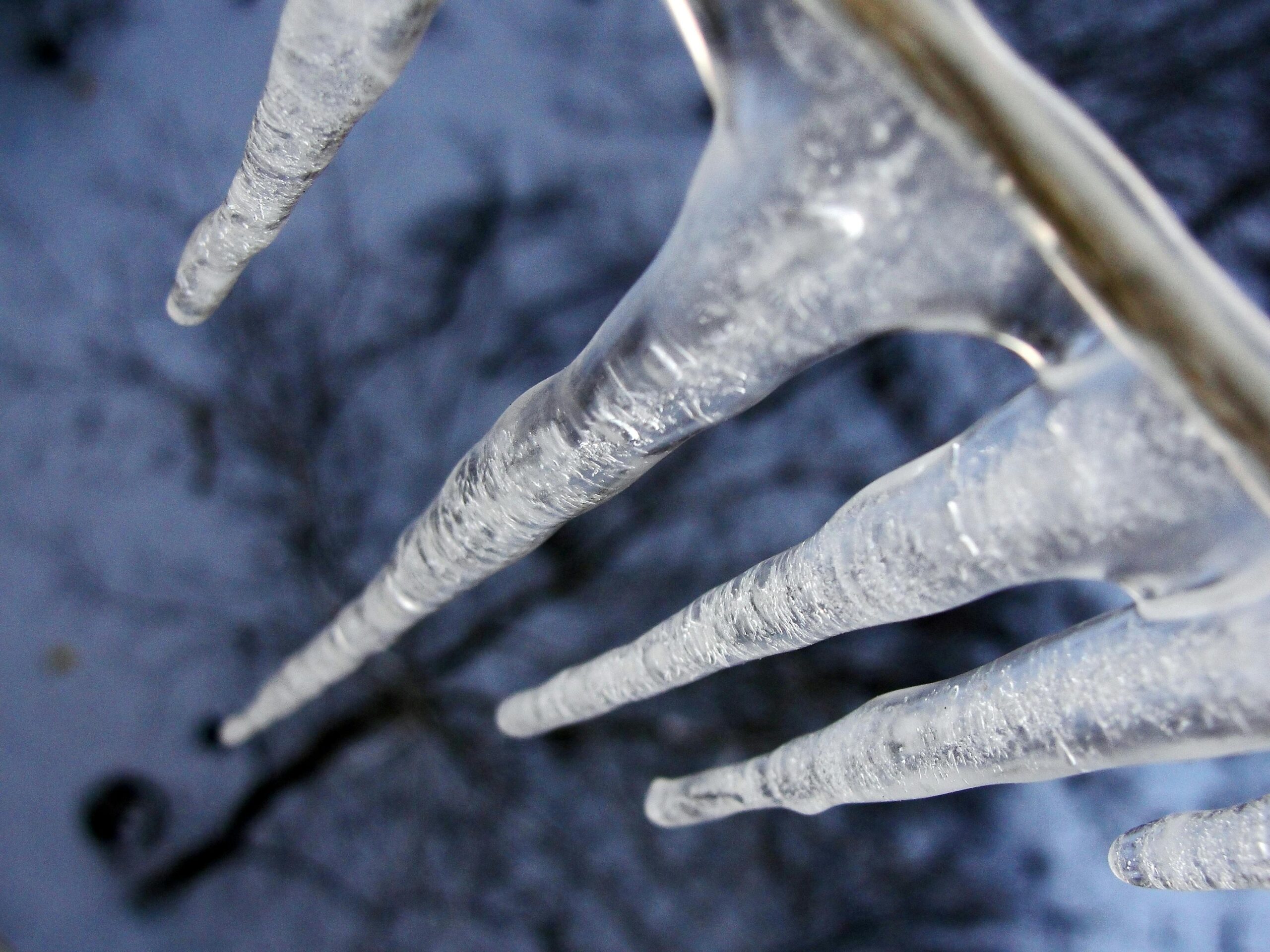
How Do Icicles Accumulate on Ledges?
Wintertime often results in freezing temperatures in New Jersey, causing snow to fall and stick. However, once temperatures rise or sunlight hits the snow, it begins melting. When melting snow runs off of roofs and gutters, it meets cold air and can refreeze in its new path. The more melting and refreezing that occurs, the more ice accumulates on these edges and the bigger these icicles become.
Icicles can form anywhere, but poor insulation, clogged gutters, uneven roofing, and harsh weather can all contribute to this hazard. Once sunlight, wind, or vibrations hit these icicles, they could suddenly detach and fall, striking whatever (or whoever) is below. This ice is often sharp, and combined with the increasing momentum of its travel downward, it can cause serious injuries and damage.
What is Premises Liability?
Premises liability is the legal responsibility of property owners to keep their property reasonably safe. When they fail to meet this standard of care and accidents occur, the property owner can be held legally liable for the resulting damages.
Premises liability laws apply to homeowners, landlords, business owners, property managers, and more. They owe a duty of care to various individuals, categorized into invitees, licensees, and trespassers. Each type of visitor is owed a different level of care, with invitees being owed the highest protection.
Who is Liable for Injuries Caused by Ice Falling from a Building in NJ?
In New Jersey, the owner of the building is usually the first person held responsible for injuries caused by falling ice. This falls under premises liability law, meaning the owner has a duty to reasonably inspect their roofs and ledges and take reasonable steps to prevent dangerous ice and icicles from forming or falling.
However, liability can be shared in certain situations. For example, if a property management company is hired to maintain the building and fails to clear the roof or gutters, they could also be held responsible. Or if a tenant in a commercial building was responsible for maintaining a specific area where the ice formed, they might also be liable.
When it comes to liability in these types of cases, the most important consideration is who had control over the area where the ice accumulated and whether they failed to take reasonable steps to prevent harm. To learn more about your legal rights and options, reach out to a skilled attorney today.